
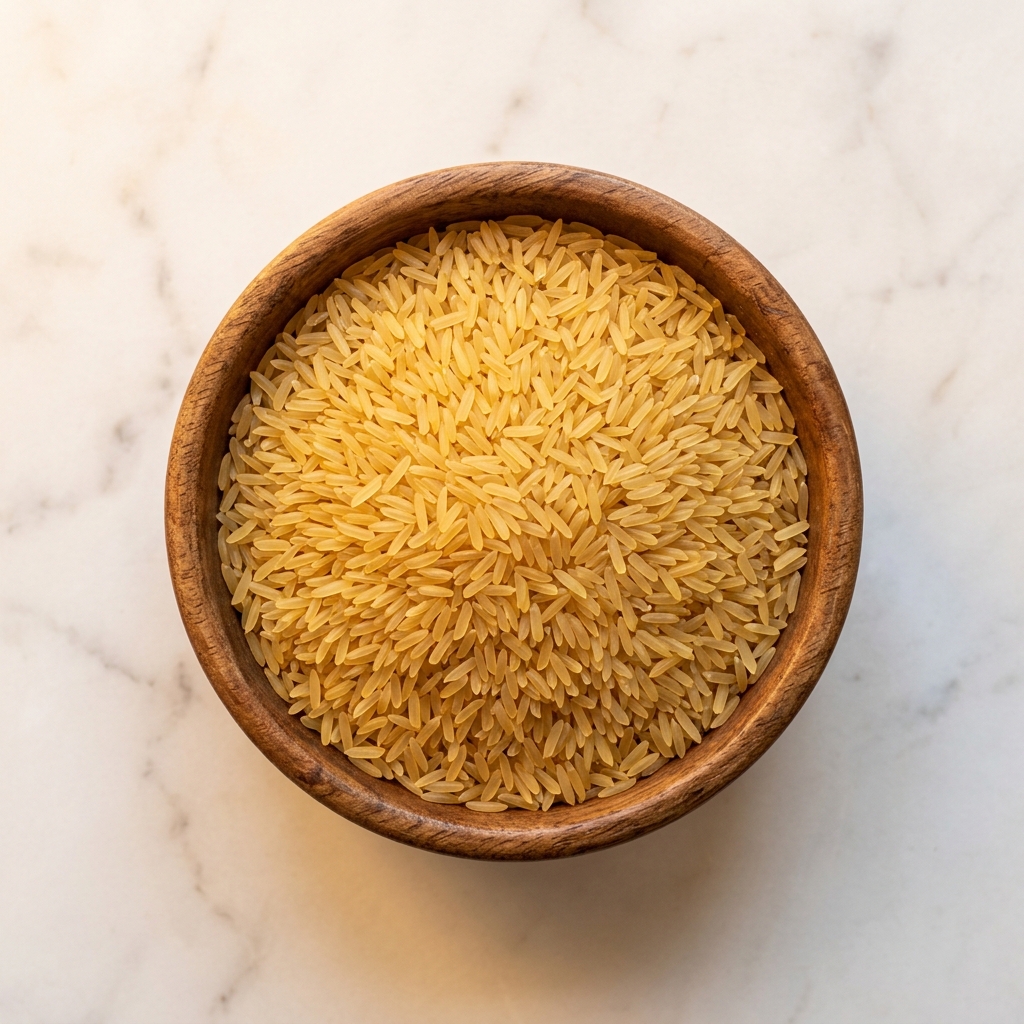
Basmati vs. Non-Basmati: Understanding FSSAI’s New Identity Standards
An in-depth look at FSSAI’s new identity standards for Basmati rice, explaining key technical criteria like elongation ratios, grain length, and aging checks.
Basmati vs. Non-Basmati: Understanding FSSAI’s New Identity Standards
Welcome to this week’s deep dive for food entrepreneurs and B2B professionals navigating the evolving landscape of rice quality standards. Today, we’re unpacking the Food Safety and Standards Authority of India’s (FSSAI) latest, stricter guidelines distinguishing basmati rice from non-basmati varieties. If you thought rice was just rice, think again — the new rules set a scientific and regulatory benchmark that impacts everyone from growers and millers to exporters and retailers.
What’s New with FSSAI’s Identity Standards?
FSSAI’s updated standards sharpen the criteria for rice classification, emphasizing precise measurements and quality checks to protect authentic basmati’s reputation and ensure consumer trust. At the heart of these regulations are clear parameters like elongation ratios and grain length, along with thorough artificial aging detection methods.
Why does this matter?
Basmati commands premium pricing and has a global following for its unique aroma, texture, and cooking qualities. Yet, the market has long struggled with mislabeling and adulteration, diluting the brand and confusing buyers. FSSAI’s move aims to draw an unmistakable line between true basmati and other rice types by implementing strict identity criteria.
Breaking Down the Key Standards
Here are the most important technical elements FSSAI now enforces:
- Elongation Ratio: This is the ratio of lengthening during cooking compared to raw grain length. Authentic basmati rice has a high elongation ratio, typically above 2.0. It’s a hallmark of basmati’s fluffy, separate grains after cooking.
- Grain Length: Minimum raw grain length is strictly defined, ensuring only long, slender grains qualify as basmati. This excludes shorter, plumper grains common in non-basmati varieties.
- Artificial Aging Checks: To prevent unscrupulous sellers from using artificial aging techniques that mimic basmati’s signature aroma and texture, FSSAI mandates rigorous lab testing to detect such practices.
What This Means for Food Entrepreneurs
Adapting to these standards isn’t just about compliance — it’s about embracing quality and authenticity as your brand’s DNA. If you’re sourcing or selling basmati rice, here’s what to keep in mind:
- Insist on transparent documentation from your suppliers confirming grain length and elongation measurements.
- Request lab reports verifying that the rice has not undergone artificial aging.
- Educate your customers about what genuine basmati means and why it’s worth the premium.
- Align your quality assurance processes with FSSAI’s criteria to stay ahead in regulatory audits and market expectations.
A Quick Reflection
It’s fascinating how something as humble as rice grain length or cooking behavior can carry such weight in global trade and consumer trust. FSSAI’s stricter identity standards help preserve the legacy of basmati rice, benefiting honest producers and informed consumers alike.
Next week, we’ll explore practical tips on integrating these standards into your supply chain management for smoother audits and enhanced product integrity. Until then, keep celebrating the grain that connects cultures, kitchens, and communities.