
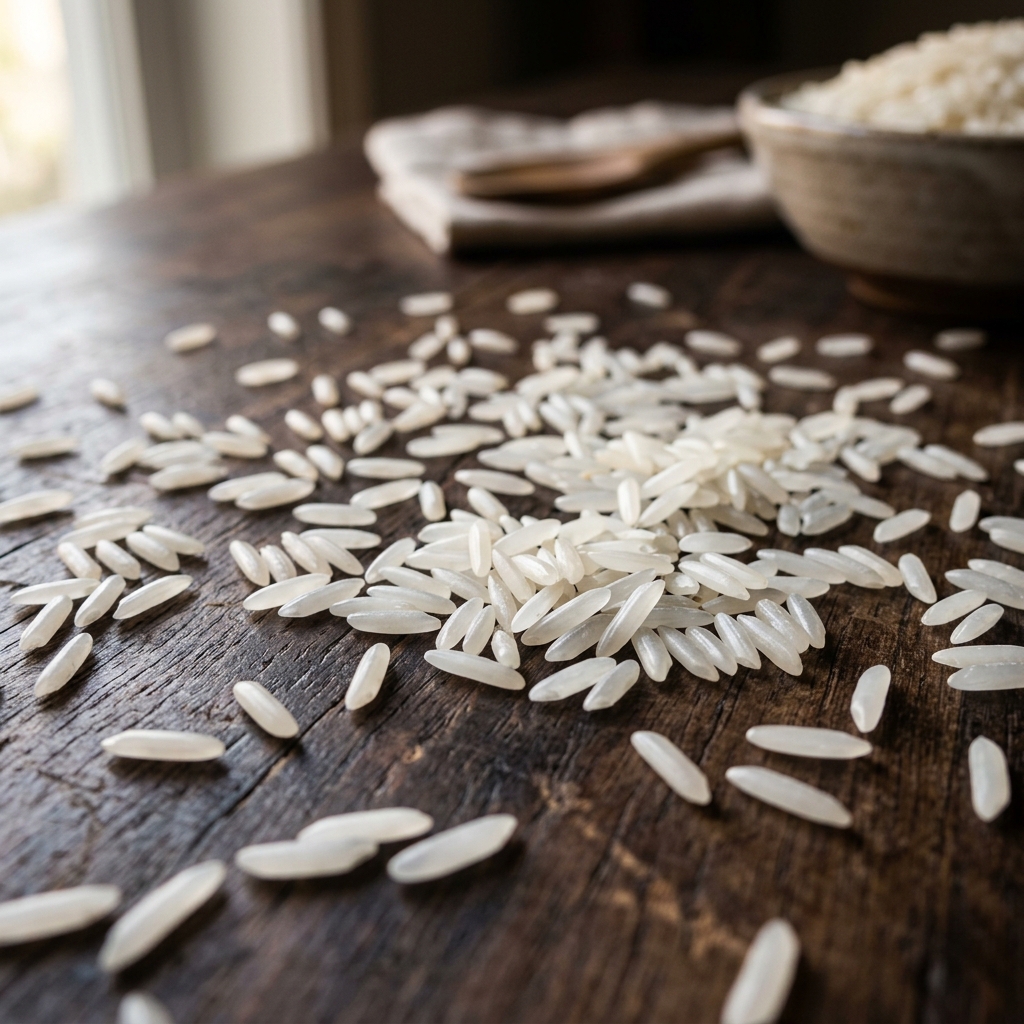
The Complete Guide to Basmati Rice Varieties
Everything you need to know about 1121, 1509, 1718, and Pusa Basmati rice — grain characteristics, cooking properties, and which variety suits your market.
The Complete Guide to Basmati Rice Varieties
Not all Basmati rice is created equal. For importers, distributors, and trade professionals, understanding the differences between Basmati varieties is essential for making informed purchasing decisions and serving diverse market preferences.
In this comprehensive guide, we break down the four major Basmati rice varieties that dominate international trade — their characteristics, applications, and what makes each one unique.
What Makes Basmati Special?
Before diving into varieties, it’s worth understanding what sets Basmati apart from other rice types:
- Extraordinary grain length — Basmati grains elongate 1.5x to 2.5x during cooking
- Distinctive aroma — A natural fragrance caused by the compound 2-acetyl-1-pyrroline
- Fluffy, non-sticky texture — Individual grains remain separate after cooking
- Geographic origin — Authentic Basmati is grown exclusively in the Indo-Gangetic plains
1121 Basmati Rice — The King of Basmati
Grade: Premium
The 1121 variety is the crown jewel of the Basmati world. Developed through selective breeding, it produces the longest grains of any Basmati variety.
Key Characteristics
| Property | Value |
|---|---|
| Raw grain length | 8.30–8.40 mm |
| Cooked grain length | Up to 22 mm |
| Elongation ratio | 2.5x |
| Aroma | Strong, distinctive |
Best For
- Premium export markets (Middle East, Europe)
- High-end restaurants and hospitality
- Markets where grain length is the primary quality indicator
Available Forms
- Raw — Natural, unprocessed with maximum aroma
- Steam — Partially cooked for firmer texture and faster preparation
- Sella (Parboiled) — Heat-treated for maximum nutritional retention and golden color
1509 Basmati Rice — The Versatile Performer
Grade: Superior
The 1509 variety strikes the perfect balance between premium quality and competitive pricing. It’s the workhorse of international Basmati trade.
Key Characteristics
| Property | Value |
|---|---|
| Raw grain length | 8.0–8.2 mm |
| Cooked grain length | Up to 18 mm |
| Elongation ratio | 2.2x |
| Aroma | Moderate to strong |
Best For
- Volume export markets seeking quality at competitive prices
- Food service and catering operations
- Markets transitioning from non-Basmati to Basmati consumption
Why Importers Love It
The 1509 offers roughly 80% of the 1121’s visual appeal at a significantly lower price point. For markets where value matters as much as quality, it’s the go-to choice.
1718 Basmati Rice — The Traditional Choice
Grade: Classic
The 1718 variety represents the traditional Basmati experience — authentic aroma, elegant grain, and proven cooking characteristics.
Key Characteristics
| Property | Value |
|---|---|
| Raw grain length | 7.5–7.8 mm |
| Cooked grain length | Up to 16 mm |
| Elongation ratio | 2.0x |
| Aroma | Traditional, authentic |
Best For
- Traditional biryani and pulao preparations
- Markets with established Basmati consumption habits
- Budget-conscious buyers seeking authentic Basmati character
The Heritage Factor
Many rice connoisseurs prefer the 1718 for its more “authentic” Basmati character. The slightly shorter grain cooks with a stickier, more comforting texture that’s perfect for traditional preparations.
Traditional Pusa Basmati — The Heritage Variety
Grade: Heritage
Pusa Basmati is the original improved Basmati variety, developed by the Indian Agricultural Research Institute. It remains beloved for its distinctive personality.
Key Characteristics
| Property | Value |
|---|---|
| Raw grain length | 7.0–7.5 mm |
| Cooked grain length | Up to 14 mm |
| Elongation ratio | 1.8x |
| Aroma | Intense, classic |
Best For
- Traditional and heritage-focused markets
- Consumers who prioritize aroma over grain length
- Organic and specialty product lines
Processing Forms Explained
Each variety is available in three processing forms:
Raw Basmati
The most natural form. Paddy is milled and polished without any heat treatment. Offers the strongest natural aroma and the whitest appearance. Preferred in markets like Saudi Arabia and the UAE.
Steam Basmati
Paddy is lightly steamed before milling. This partially gelatinizes the starch, resulting in firmer, less sticky grains after cooking. Popular in the food service industry for its consistency.
Sella (Parboiled) Basmati
Paddy is soaked and heat-treated before milling. This drives nutrients from the bran into the grain, resulting in higher nutritional value and a characteristic golden color. Preferred in markets like Iraq, Yemen, and parts of Africa.
Choosing the Right Variety for Your Market
| Market Priority | Recommended Variety |
|---|---|
| Maximum grain length | 1121 |
| Best value for quality | 1509 |
| Traditional character | 1718 |
| Maximum aroma | Pusa |
| Premium positioning | 1121 |
| Volume trade | 1509 |
Quality Parameters to Watch
When sourcing Basmati rice, pay attention to these critical quality parameters:
- Grain length — Measured before and after cooking
- Moisture content — Should be below 13% for safe storage
- Broken percentage — Premium grades have less than 2% broken grains
- Foreign matter — Should be virtually zero in export-grade rice
- Aroma index — Lab-tested for 2-acetyl-1-pyrroline concentration
- Whiteness — Measured by digital colorimetry
At Surya Foods, every batch undergoes comprehensive testing across all these parameters in our in-house quality laboratory.
Looking to source premium Basmati rice for your market? Contact our export team for samples and pricing.